Wilma Bosch
The CallerWilma Bosch is Theo Bosch’s mother and a central presence in the family’s life in the woods near Saga. The novel first places her amid the sturdy domestic world she shares with Hannes Bosch and Theo, then shows her resistance to letting her eight-year-old son hike alone. After Theo’s fatal attack by dogs, that protective fear becomes inseparable from her grief.
Identity and Family Life
Wilma and Hannes Bosch have lived in Norway for fifteen years and built a large log cabin on the road to Saga, at some distance from other people. Hannes imagines the place as a small country of their own, where Theo can grow up among evergreens, woods, and cold water. The family’s home is presented through everyday particulars: a porch hammock with floral cushions, a kitchen, and a meal of fish gratin that fills the house with the smell of nutmeg.
In the opening domestic scene, Wilma prepares dinner while Theo rocks in the hammock and Hannes watches from the doorway. Hannes sees her as strong and hefty, as solid and dependable as the household’s oak cabinet, kitchen bench, and nails in the wall. That is his perception of her, not a claim that her strength makes her immune to fear or pain. Wilma’s care is practical and direct: she tells Hannes to call Theo and set the table, and, when the men go out walking after dinner, calls after them to watch for adders.
Theo and the Woods
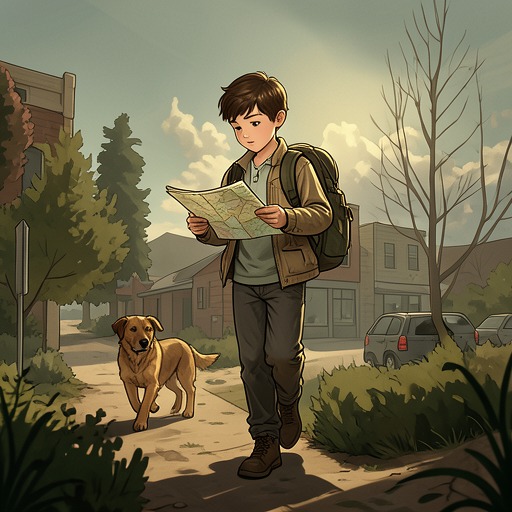
The woods mean different things to Wilma and Theo. Theo’s imagination is drawn toward wilderness adventure, fed by his heroes Optimus Prime and the explorer Lars Monsen. His daydreams take him far beyond the hammock and the safety of home; at eight, however, he remains a thin child whose imagined life as an explorer lies years ahead. Wilma’s presence belongs to the real, ordinary world around those fantasies: the meal, the family routine, and the knowledge that a child must walk through actual woods.
Hannes encourages Theo’s enthusiasm for a hike to Snellevann, and the boy eagerly asks whether that is where they are going. After dinner, Hannes announces that the two of them are going for a walk; Theo dances with anticipation, and Wilma warns them about adders. On another occasion, Theo tells Wilma about the day’s events after a journalist has photographed him in the woods. These moments establish that he brings his experiences back to her and that she is part of the intimate family audience for his stories, even as his desire to explore increasingly takes him beyond the home.
Fear and a Disputed Independence
When Theo sets off alone, Wilma’s concern becomes an explicit conflict with Hannes’s encouragement. Hannes watches his son walk away, noting the oversized trainers and the feet Theo inherited from him; the boy disappears around a bend and is absorbed by the forest. Wilma is described as unsparing in her response. She asks how Theo will cope if something happens, putting the possibility of danger into words at the very moment Hannes is watching him leave.
Her objection is specific rather than abstract: Theo is eight, alone in the woods, and something might happen to him. The concern contrasts with Hannes’s earlier assurance that the woods are the safest place for Theo and with his hope that their son will grow up outdoors. The scene does not make Wilma’s fear prophetic by itself, but it gives that fear a devastating later weight. Her warning is not simply a rejection of Theo’s adventurous imagination; it is a mother’s recognition that the child who inhabits those dreams is still vulnerable.
The Attack and Its Aftermath
When the police stop the family near the scene of the attack, Wilma is focused on reaching her son. Hannes, pale with worry, asks whether there has been an accident and points to the tarpaulin. Asked to explain who Theo is and why they are there, Wilma gives his full name, Theo Johannes Bosch, says he is eight, and explains that he went hiking in the woods toward Snellevann. She believes he is probably on his way home and says they have come to meet him. She insists that they cannot waste time standing there and need to get past. Asked what he had with him, she answers that he carried a rucksack with his lunch and a Thermos.
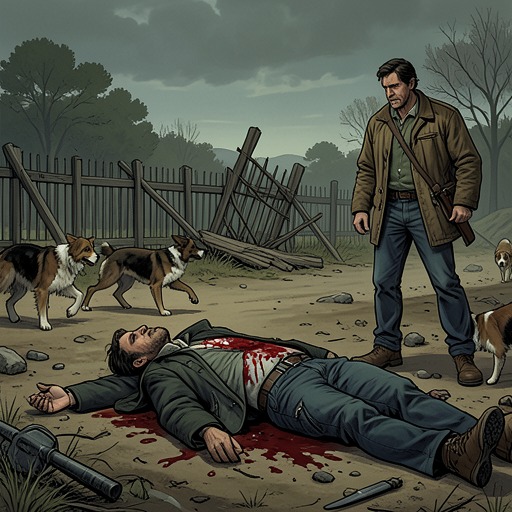
The account of Theo’s fate overturns the ordinary expectation behind her trip to meet him. Wilma is told that several dogs, possibly a whole pack, lunged at her son and inflicted catastrophic injuries. She is taken to the Central Hospital for treatment for shock. Grief is described as physically consuming: she feels the imagined teeth and claws in her own body, and screams as Theo had screamed. Strong calming medicine is given so she can sleep, but when she wakes, she continues screaming.
Grief and Narrative Significance
Wilma’s arc moves from the security of family routine to the fear she voices as Theo leaves, and finally to a loss that no reassurance can undo. Hannes had imagined their home and the surrounding forest as a protected world for their son; Wilma’s question about what could happen exposes the fragility of that assurance. The novel does not suggest that she could have prevented the attack. Instead, it places her earlier warning beside the later facts, making the distance between a parent’s vigilance and the dangers beyond the home painfully clear.
Her devastation also shapes the aftermath for Hannes, who is consumed by guilt and struggles to face what has happened. Wilma’s shock is treated directly, while the family’s loss extends beyond the immediate scene: Theo’s remains are taken to the Institute of Forensic Medicine, and his parents are strongly advised not to see him. Through Wilma, the woods cease to be only the setting of a child’s adventure or a family’s chosen refuge. They become the place from which Theo does not return, and the limit against which a mother’s love and fear are shown to have no power to reverse events.